Whether you’re protecting a backyard garden or managing hundreds of acres of farmland, selecting the right deer fence is critical to preserving your investment.
The best fencing solution depends on your goals, property size, budget, and long-term needs. Below, we’ll break down and explore the most effective options.
Understanding Deer Behavior Before Choosing a Fence
Before selecting materials or installation methods, it’s important to understand how deer behave:
- Deer can jump up to 8 feet high.
- They will test weak fencing points.
- They often follow established travel paths.
- During certain seasons, pressure on food sources increases dramatically.
This means any effective deer fence must address both height and durability. A fence that looks substantial but lacks structural integrity will eventually fail under consistent wildlife pressure.
Deer Fence Options for Residential Gardens
Home gardens typically require protection for:
- Vegetable beds
- Flower gardens
- Fruit trees
- Landscaping
Because these areas are smaller and more concentrated, the fencing solution can be more targeted and aesthetic.
1. Lightweight Poly or Mesh Fencing
For small gardens, polypropylene mesh fencing is often used. It is:
- Cost-effective
- Easy to install
- Nearly invisible from a distance
However, lightweight mesh is better suited for temporary or seasonal protection. It can sag over time and may not withstand heavy deer pressure in high-traffic areas.
2. Welded Wire or Metal Grid Fencing
For homeowners who want a longer-term solution, welded wire fencing is a strong option. Benefits include:
- Increased durability
- Better resistance to chewing and pushing
- Long lifespan
For deer, the fence should be at least 7–8 feet tall. Anything shorter can invite jumping.
3. Electric Fencing (Small Perimeter Systems)
Electric fencing can be effective in gardens, particularly when configured in a multi-strand design. It works best when:
- Properly grounded
- Maintained regularly
- Used in lower-pressure areas
While effective, electric systems require consistent monitoring and are not always ideal for families with pets or children.
Aesthetic Considerations for Garden Fencing
Residential properties often prioritize appearance. Homeowners want protection without sacrificing curb appeal. Some fencing solutions can be integrated into landscaping design, including:
- Black-coated wire systems that visually blend into surroundings
- Wood-post and wire combinations
- Decorative perimeter fencing that meets height requirements
Balancing function and aesthetics is especially important for suburban and estate properties.
Deer Fence Options for Farms and Agricultural Land
When protecting farmland, orchards, vineyards, or ranch operations, the scale changes dramatically. The fencing solution must:
- Cover large acreage
- Withstand high deer pressure
- Provide long-term durability
- Require minimal maintenance
Unlike garden fencing, agricultural deer fencing must be engineered for strength and longevity.
1. High-Tensile Wire Fencing
High-tensile wire fencing is one of the most effective long-term solutions for farms. It features:
- Strong steel wire under tension
- Tall perimeter heights (often 8 feet or more)
- Heavy-duty posts
This type of deer fence is ideal for agricultural applications because it resists sagging and maintains integrity over large distances.
2. Fixed Knot or Woven Wire Fencing
Fixed knot fencing provides exceptional strength and durability. It is commonly used for:
- Large-scale farms
- Livestock operations
- Game preserves
The knot design prevents vertical and horizontal movement, creating a highly secure barrier. It’s particularly effective in areas with significant wildlife pressure.
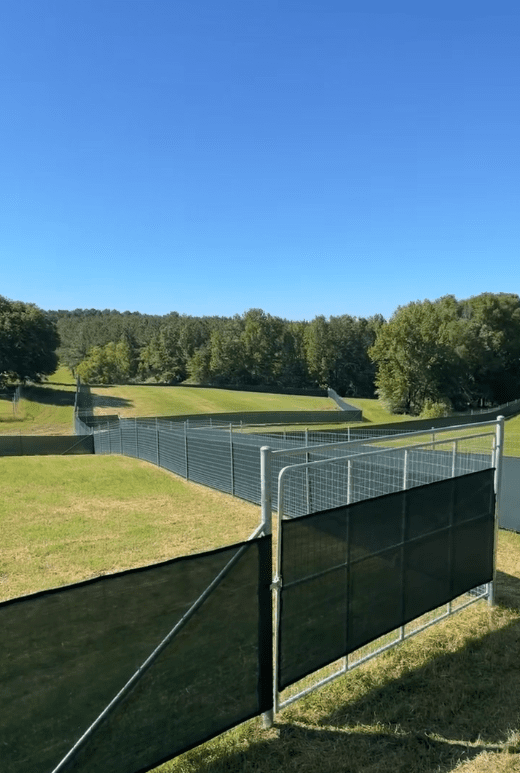
3. High Game Fence Systems
For farms dealing with intense deer traffic—or those managing wildlife populations—high game fence systems offer maximum security. These fences are typically:
- 8 feet or taller
- Built with heavy-gauge wire
- Professionally installed
They are designed for long-term perimeter control and can protect high-value crops or specialty agricultural operations.
Installation Considerations
Proper installation is just as important as material selection. Common mistakes include:
- Fences that are too short
- Insufficient post depth
- Gaps at the bottom
- Poor corner bracing
On large agricultural properties, terrain must also be factored in. Slopes, uneven ground, and soil composition affect post placement and tension systems. Improper installation can lead to costly failures.
Maintenance and Longevity
Garden fencing may require:
- Seasonal adjustments
- Re-tensioning
- Repairs from weather damage
Farm fencing, especially high-tensile systems, is built for lower maintenance over time—but only if installed correctly. Quality materials and professional engineering significantly reduce long-term repair costs.
Choosing the Right Deer Fence for Your Property
When deciding between garden or farm fencing systems, consider:
- Size of protected area
- Level of deer pressure
- Budget
- Desired lifespan
- Aesthetic requirements
For homeowners, a well-designed welded wire or mesh fence may be sufficient. For agricultural operations, investing in high-tensile or fixed-knot systems can provide decades of reliable protection.
Ultimately, deer fencing is not just an expense—it’s risk management. Protecting crops, landscaping, and agricultural investments can prevent thousands of dollars in losses.
Professional Deer Fence Installation Matters
Straight Shooter Game Fencing specializes in high-quality agricultural and game fencing solutions designed to withstand wildlife pressure and protect valuable land investments. With decades of experience and a focus on durability, we provide tailored fencing systems for farms, ranches, and large properties.
If you’re considering a deer fence solution for your property, consult with us at Straight Shooter Game Fencing to explore options that fit your land, goals, and long-term plans.