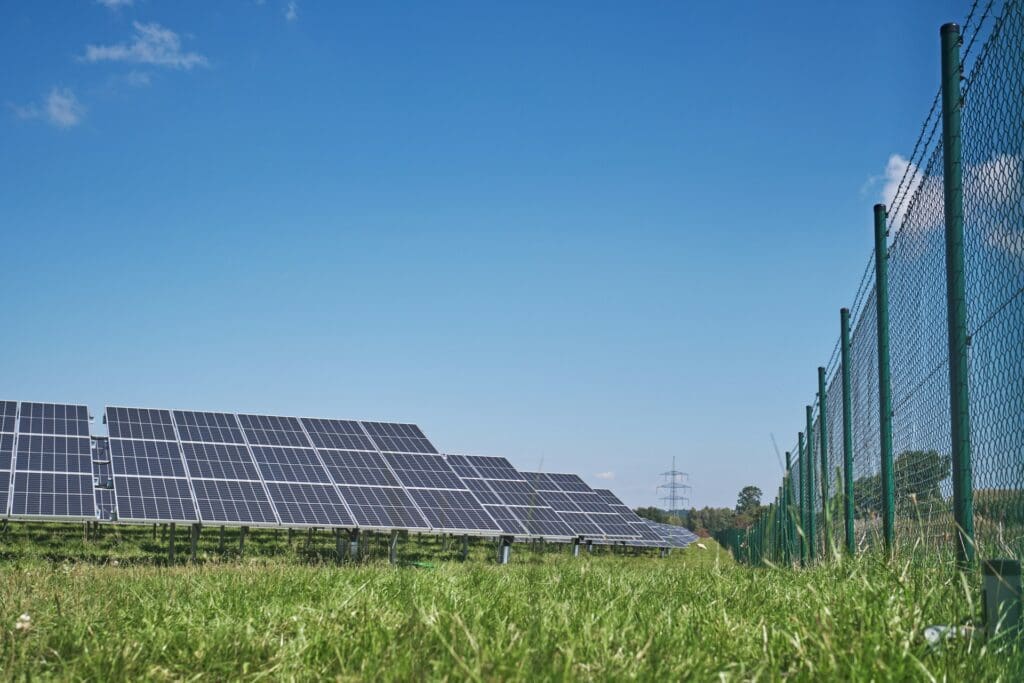
Solar farms represent significant investments that require proper protection from both security threats and environmental factors. Choosing the right fencing system is crucial for safeguarding these valuable installations while maintaining operational efficiency and regulatory compliance.
Understanding Solar Farm Fencing Requirements
Solar farm fencing faces unique challenges that standard agricultural fencing may not address adequately. These installations require protection from theft, vandalism, wildlife interference, and unauthorized access while allowing for maintenance vehicle entry and proper drainage. The fencing solution must withstand various weather conditions and provide long-term durability without requiring frequent repairs or replacements.
Security remains the primary concern for solar farm operators. Solar panels, inverters, and copper wiring represent valuable targets for thieves. Additionally, curious wildlife and trespassers can damage sensitive equipment or create safety hazards. The right fencing system creates multiple layers of protection while maintaining clear sight lines for security monitoring.
Chain Link Fencing for Solar Installations
Chain link fencing stands out as the most popular choice for solar farm perimeter security. This fencing type offers excellent visibility for security cameras and personnel while providing robust protection against intrusion. The galvanized steel construction resists corrosion and maintains structural integrity across diverse terrain conditions.
Commercial-grade chain link fencing typically features larger gauge wire and closer spacing than residential applications. Heights commonly range from eight to ten feet, with additional security enhancements like barbed wire or razor ribbon along the top rail. The open mesh design allows wind to pass through, reducing stress on fence posts during severe weather events.
Installation flexibility makes chain link fencing particularly suitable for solar farms. The system adapts well to uneven terrain and can accommodate gates of various sizes for maintenance access. Professional installation ensures proper tensioning and post spacing to maximize longevity and security effectiveness.
Woven Wire and Agricultural Alternatives
Some solar farm fencing operators prefer woven wire fencing, particularly in rural areas where agricultural aesthetics matter. This fencing type provides solid barrier protection while blending naturally with surrounding farmland. Heavy-duty woven wire construction offers excellent durability and requires minimal maintenance over its operational lifespan.
Woven wire fencing excels at keeping larger wildlife away from solar installations. The tight mesh pattern prevents animals from squeezing through while maintaining structural strength against impact. This fencing type works particularly well in areas with deer, cattle, or other large animals that might damage solar equipment.
The choice between chain link and woven wire often depends on specific site conditions and security requirements. Chain link provides superior visibility and easier monitoring, while woven wire offers better wildlife exclusion and visual integration with rural landscapes.
Installation Considerations for Solar Farm Terrain
Solar farms often occupy challenging terrain that demands specialized installation expertise. Proper fence installation requires understanding soil conditions, drainage patterns, and local weather factors. Professional installers assess these variables to determine appropriate post spacing, foundation requirements, and material specifications.
Terrain variations from swamps to mountainous regions require different installation approaches. Rocky soil may necessitate specialized equipment for post installation, while soft or sandy conditions might require concrete footings for stability. Experienced fencing contractors adapt their techniques to ensure reliable performance regardless of ground conditions.
Gate placement and design require careful planning to accommodate maintenance vehicles and emergency access. Solar farms need multiple entry points positioned strategically around the perimeter while maintaining security integrity. Professional installation includes proper gate hardware and locking mechanisms that balance security with operational convenience.
Long-Term Durability and Maintenance
Quality fencing installation pays dividends through reduced maintenance requirements and extended service life. Professional-grade materials and proper installation techniques minimize the need for repairs and replacements. This consideration becomes particularly important for solar farms with operational lifespans measured in decades.
Galvanized steel components resist corrosion and maintain structural integrity across various climate conditions. Quality hardware including posts, brackets, and tensioning systems ensures the fence maintains proper alignment and tension over time. Regular inspection and minor maintenance keep the system performing optimally throughout its service life.
Professional Installation Matters
Solar farm fencing requires expertise that goes beyond basic fence installation. Understanding electrical safety requirements, security protocols, and regulatory compliance ensures the finished installation meets all operational needs. Professional contractors bring specialized knowledge and equipment necessary for large-scale commercial projects.
With 28 years of experience in agricultural and commercial fencing, Straight Shooter Game Fencing has installed protective barriers across diverse terrain conditions nationwide. Our family-owned company understands the unique requirements of solar installations and provides straightforward pricing without hidden fees. Every installation comes with our lifetime workmanship warranty, demonstrating our commitment to quality and customer satisfaction.
Ready to Secure Your Solar Investment?
Contact Straight Shooter Game Fencing today to discuss your solar fence installation needs, and discover why property owners across the country trust us with their assets.