Installing a deer fence is rarely a one-size-fits-all process. While flat, soft terrain allows for straightforward installation, sloped and rocky landscapes introduce unique challenges that require experience, planning, and the right materials.
Understanding how deer fence installation adapts to these conditions can help property owners make informed decisions and ensure long-term durability.
Why Terrain Matters in Deer Fence Installation
Terrain directly impacts how a fence is designed, installed, and maintained. Slopes can create gaps at the bottom of the fence line, while rocky ground can make post placement difficult. Without proper adjustments, these issues can compromise the effectiveness of a deer fence, allowing wildlife to slip through or damaging the structure over time.
Professional installers evaluate elevation changes, soil composition, and drainage patterns before beginning any deer fence installation. This ensures that the fence not only follows the land but also maintains consistent protection across the entire perimeter.
Deer Fence Installation on Sloped Ground
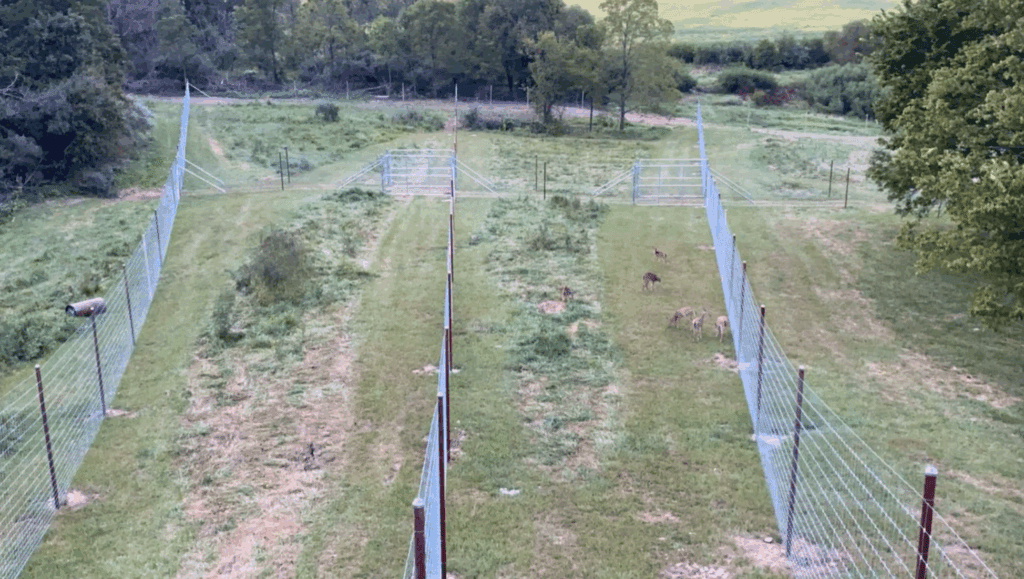
Sloped terrain requires careful alignment to maintain a secure barrier. One of the primary concerns is preventing gaps between the fence and the ground. Deer are highly adaptable and will exploit even small openings if they sense an opportunity.
To address this, installers often “rack” the fence, allowing it to follow the contour of the slope without creating gaps. This technique ensures the fence remains tight to the ground while preserving its structural integrity. In steeper areas, additional tensioning may be required to keep the fence secure and prevent sagging over time.
Post spacing is another critical factor. On slopes, posts may need to be placed closer together to maintain stability and ensure the fence line remains consistent. Proper anchoring is essential, particularly in areas where erosion or shifting soil could impact the fence’s longevity.
Adapting Deer Fence Installation for Rocky Ground
Rocky terrain presents a different set of challenges. Traditional post-driving methods may not be effective when the ground contains large stones or solid rock layers. In these cases, installers must adjust their approach to ensure posts are secure.
One common solution is drilling into the rock to set posts with concrete. This creates a strong, stable foundation that can withstand environmental stress. In areas where drilling is not feasible, alternative anchoring methods, such as surface-mounted posts or specialized brackets, may be used.
Rocky ground can also impact fence alignment. Installers must carefully plan the fence path to avoid large obstructions while still maintaining a continuous barrier. This often requires a combination of precision and flexibility during the deer fence installation process.
Managing Drainage and Erosion
Both sloped and rocky environments are more susceptible to drainage issues. Water runoff can erode soil around posts or create washouts beneath the fence, weakening its effectiveness.
To mitigate this, proper grading and drainage planning are essential. Installers may incorporate features such as trenching the bottom of the fence or adding ground stakes to secure it more firmly. These adjustments help prevent water from undermining the structure and ensure the fence remains intact during heavy rainfall.
Material Considerations for Challenging Terrain
Not all fencing materials perform equally well in difficult conditions. High-tensile wire is often preferred for its strength and flexibility, allowing it to adapt to uneven terrain without breaking. Durable posts, whether driven, drilled, or anchored, are equally important to maintaining the fence’s integrity.
Coatings and treatments also play a role, particularly in rocky areas where abrasion can occur. Choosing materials designed for longevity helps reduce maintenance and ensures the fence continues to perform effectively over time.
Long-Term Maintenance and Inspection
Once installed, fences on sloped or rocky ground require ongoing inspection. Shifting soil, weather conditions, and natural wear can all impact performance. Regular checks allow property owners to address small issues before they become larger problems.
Maintenance may include tightening wires, reinforcing posts, or addressing areas where erosion has occurred. A proactive approach ensures that the deer fence installation continues to provide reliable protection year after year.
Working with Experienced Professionals
Challenging terrain demands expertise. Attempting to install a fence without the proper knowledge or equipment can lead to costly mistakes and ineffective results. Experienced professionals understand how to adapt installation techniques to suit the landscape, ensuring a secure and lasting fence.
When it comes to complex projects, Straight Shooter Game Fencing brings decades of experience and a commitment to quality workmanship. Our team specializes in deer fence installation across a wide range of terrains, including sloped and rocky environments where precision matters most. With a focus on durability, safety, and long-term performance, we provide solutions tailored to each property’s unique needs.
If you are planning a deer fence installation and want confidence that it will stand up to challenging conditions, reach out to Straight Shooter Game Fencing today to learn more about our process and request a consultation.