If you’ve ever priced fencing for a ranch, farm, recreational property, or large acreage, you’ve probably run into the terms high tensile fencing and low tensile fencing.
The difference may seem technical or minor, but the choice between these fence types affects strength, longevity, maintenance, and long-term cost more than most expect.
What Is a High Tensile Fence?
High tensile fencing is made from high-carbon steel wire designed to be stretched tightly between posts under significant tension. This wire is stronger, thinner, and more rigid than traditional fencing materials.
Once installed correctly, high tensile fence systems rely on tension for strength. The wire flexes slightly under pressure, then returns to its original shape, rather than sagging or stretching out permanently.
High tensile fencing is commonly used for:
- Livestock containment (cattle, horses, goats)
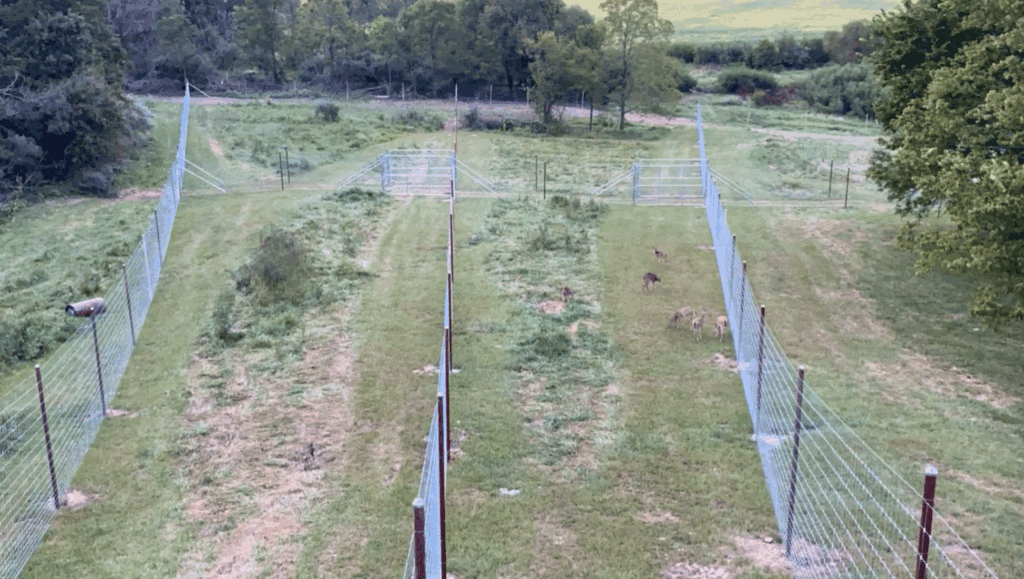
- Game and wildlife control
- Large agricultural properties
- Long fence runs where durability matters
What Is a Low Tensile Fence?
Low tensile fencing uses softer steel wire that stretches more easily and holds less tension. This category includes many traditional barbed wire and woven wire fence systems that have been around for decades.
Low tensile fences rely on thicker wire and closer post spacing to compensate for lower strength. Over time, the wire stretches, sags, and often needs re-tightening or repair.
Low tensile fencing is often used for:
- Small pastures
- Temporary fencing
- Properties with limited animal pressure
- Situations where upfront cost is the main concern
Strength Comparison: Which Fence Actually Holds Better?
High Tensile Strength Advantages
High tensile wire is engineered to withstand significantly more force per strand than low tensile wire. Because it’s stretched tight, animals are less likely to push through it. When pressure is applied, the fence flexes and rebounds instead of bending or snapping.
This makes high tensile fencing especially effective for:
- Large or powerful animals
- Wildlife pressure (deer, elk, exotic game)
- Long-term perimeter fencing
Low Tensile Strength Limitations
Low tensile wire stretches under pressure and doesn’t return to its original tension. Once stretched, it stays loose. Over time, this leads to sagging lines, leaning posts, and gaps animals quickly learn to exploit.
For light-duty applications, this may be acceptable. For long-term containment or high-pressure environments, it becomes a liability.
Maintenance: Where the Biggest Difference Shows Up
High Tensile Maintenance
One of the biggest benefits of high tensile fencing is how little maintenance it requires once installed properly. Because the wire maintains tension and resists stretching:
- Fences stay straight longer
- Posts experience less stress over time
- Re-tightening is infrequent
- Repairs are typically localized, not system-wide
Property owners often find that high tensile fences disappear from their maintenance checklist after installation.
Low Tensile Maintenance
Low tensile fences demand regular attention. Seasonal temperature changes, animal pressure, and weather cause the wire to loosen over time. This leads to:
- Frequent re-stretching
- More broken staples and ties
- Increased post movement
- Higher long-term labor costs
While the upfront price may be lower, ongoing maintenance often narrows that initial savings.
Installation Differences You Should Know About
High tensile fencing requires precision. Proper bracing, post depth, anchor systems, and tensioning tools are critical. When done right, the result is a fence that performs for decades. When done incorrectly, even the best wire won’t perform as intended.
Low tensile fencing is more forgiving during installation, which is why it’s often chosen for DIY projects. However, that flexibility during install comes at the cost of long-term performance.
Longevity and Lifecycle Cost
If you’re thinking beyond year one, high tensile fencing usually wins the cost comparison.
- High tensile fences often last 25–40 years with minimal intervention.
- Low tensile fences may require partial replacement or major repairs much sooner.
When you factor in labor, materials, and downtime from repairs, high tensile fencing typically offers a lower total cost of ownership, even if the initial investment is higher.
Which Fence Is Right for Your Property?
High tensile fencing is usually the better choice if:
- You manage livestock or wildlife
- You want long-term durability
- You prefer minimal maintenance
- You’re fencing large acreage
Low tensile fencing may make sense if:
- The fence is temporary
- Animal pressure is minimal
- Budget is the primary constraint
- The fence won’t be relied on long term
Every property is different, and terrain, animal type, and land use all play a role in the final decision.
Choosing a Fence with Straight Shooter Game Fencing
If you’re weighing high tensile versus low tensile fencing and want expert guidance, Straight Shooter Game Fencing brings decades of experience installing commercial-grade fencing systems across agricultural, recreational, and conservation properties.
Looking for a fence that’s built to last? Contact us at Straight Shooter Game Fencing to discuss your property and explore solutions.